



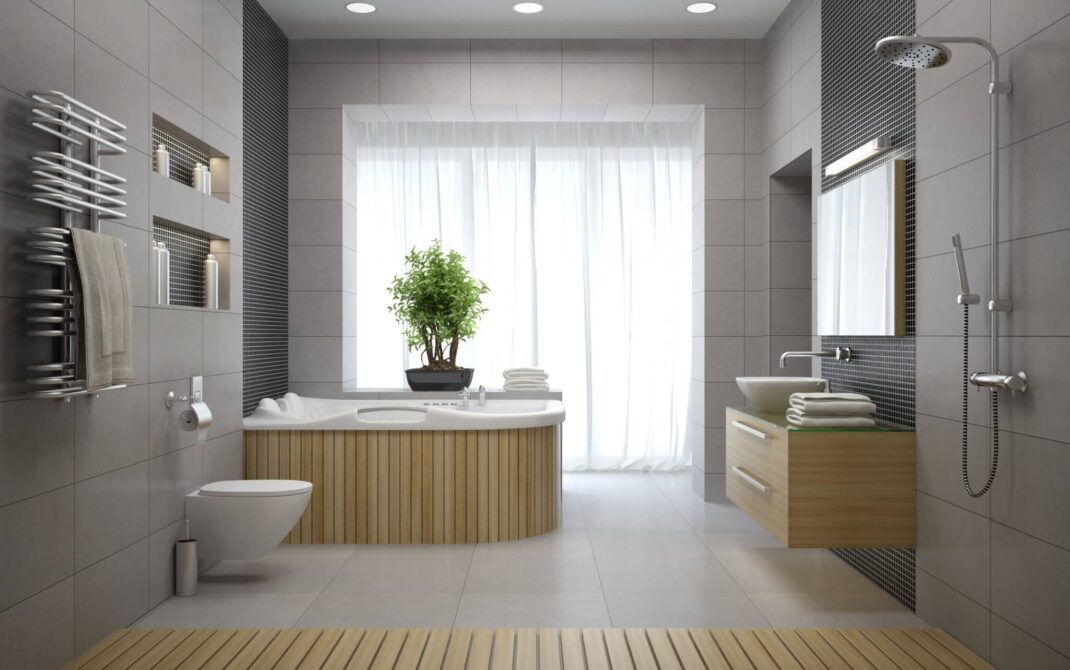
Residential plumbing layouts are the foundation of a comfortable, functional home, especially during August in Winona and Florence, SC. These systems determine how water flows to and from fixtures like sinks, toilets, and showers. A well-planned layout prevents costly issues such as leaks, clogs, and pressure problems. For homeowners in South Carolina, summer heat makes efficient plumbing even more essential.
Understanding residential plumbing layouts helps homeowners make smarter decisions about renovations or new installations. The layout includes three key systems: water supply, waste drainage, and ventilation. Each plays a vital role in maintaining clean water, safe waste removal, and pressure balance. Poor design can lead to mold, mildew, or even structural damage over time.
Hiring an experienced team like Benjamin Franklin Plumbing of Florence ensures every pipe and fixture fits your home’s unique structure. They follow local building codes, prioritize accessibility, and prevent future plumbing emergencies. Their tailored solutions are ideal for the hot, humid conditions in Florence and Winona.
In this guide, we’ll break down every part of residential plumbing layouts to help you plan with confidence. Whether building new or upgrading old systems, knowledge is your best tool.
Understanding the Basics of Residential Plumbing Layouts
Understanding the basics of residential plumbing layouts begins with recognizing the two main subsystems: the water supply system and the drainage system. The water supply system brings fresh water into the home, essential for daily activities like drinking, cooking, and cleaning. Meanwhile, the drainage system efficiently removes waste water, keeping the environment clean and hygienic. Both systems work together to ensure a seamless flow of water in and out of your home, laying the foundation for a functional plumbing layout.
To optimize the water supply in your Florence, SC home, it’s crucial to consider the diameter of the pipes used. Larger pipes can reduce water pressure issues, ensuring that water reaches all parts of your home effectively. On the other hand, the drainage system relies on gravity to move waste water away from your home. Therefore, the layout must include properly sloped pipes, allowing for smooth and quick waste removal without blockages.
When planning residential plumbing layouts, the placement of fixtures and appliances plays a significant role. Strategic placement can minimize the distance water travels, reducing the risk of leaks and maintaining pressure levels. This approach not only enhances efficiency but also contributes to water conservation, a crucial consideration in sustainable living practices. By thoughtfully arranging sinks, toilets, and showers, homeowners in Winona, SC can achieve a balance between functionality and conservation.
Finally, understanding the basics of residential plumbing layouts requires familiarity with local building codes and regulations. These rules ensure that plumbing systems are safe, efficient, and environmentally friendly. Homeowners should work with qualified professionals who are knowledgeable about the specific requirements in their area. This collaboration ensures that the plumbing layout meets all necessary standards, providing peace of mind and laying the groundwork for a reliable and efficient home plumbing system.

Key Components of Efficient Plumbing Systems
Efficient residential plumbing layouts hinge on several key components. One crucial element is the water heater, which ensures a consistent supply of hot water to your home. In Florence, SC, selecting an appropriately sized water heater can significantly impact energy consumption and water efficiency. Proper installation and maintenance are essential to prevent leaks and prolong the system’s lifespan.
Another vital component is the venting system, which prevents sewer gases from entering the home. It also helps maintain proper atmospheric pressure in the drainage pipes, facilitating the smooth flow of wastewater. In residential plumbing layouts, careful planning of the vent system is necessary to avoid blockages and maintain indoor air quality. Homeowners in Winona, SC, must ensure their venting system complies with local codes for safety and efficiency.
Water-saving fixtures represent a leap toward sustainability in residential plumbing layouts. Low-flow toilets, showerheads, and faucets reduce water usage without compromising performance. These fixtures can drastically lower utility bills and conserve water, an essential resource in any community. By adopting water-saving technologies, homeowners contribute to a more sustainable future.
Lastly, the integration of shut-off valves is fundamental for managing water flow in emergencies or for routine maintenance. Strategically placed valves allow homeowners to isolate parts of the system without disrupting the entire water supply. This feature is particularly useful during repairs or when upgrading fixtures. Incorporating easy-to-access shut-off valves enhances the functionality and safety of residential plumbing layouts, ensuring peace of mind for homeowners.
The Role of Water Supply in Residential Plumbing Layouts
In planning residential plumbing layouts, the role of the water supply system cannot be understated. It ensures that clean, potable water reaches every part of your home efficiently. In Florence, SC, considering the local water quality and pressure is essential for selecting the right components. This foresight helps in avoiding common pitfalls like corrosion or inadequate water flow.
The design of the water supply system directly impacts the overall efficiency of residential plumbing layouts. By incorporating a looped or branched layout, water can be distributed more evenly throughout the home. This method reduces wait times for hot water and minimizes the energy needed to heat it. Homeowners in Winona, SC, find that such strategic planning also leads to significant savings on utility bills.
To further enhance the functionality of residential plumbing layouts, the choice of materials for pipes is crucial. Copper and PEX are popular options due to their durability and flexibility, respectively. Each material has its benefits, with copper being highly resistant to bacteria and PEX offering ease of installation. Making the right choice ensures a long-lasting and reliable water supply system.
Lastly, the implementation of water treatment systems plays a pivotal role in maintaining the quality of the water supply. Whether it’s a whole-house filter in Florence, SC, or a water softener in Winona, SC, these systems protect the plumbing from damage and the residents from health risks. They are an integral part of residential plumbing layouts, safeguarding both the system’s efficiency and the homeowners’ well-being.
Planning for Waste Removal and Ventilation
In planning for waste removal, understanding the intricacies of residential plumbing layouts becomes essential. Efficient waste disposal ensures a healthy living environment, free from the hazards of sewage backup. Homeowners in Florence, SC, can achieve this by incorporating a well-designed sewage line that facilitates smooth waste transit away from the property. Such planning prevents potential blockages, safeguarding the home’s sanitation.
Ventilation is another critical aspect of residential plumbing layouts, often overlooked. Proper venting prevents harmful sewer gases from entering the home, maintaining air quality. It also plays a vital role in ensuring water flows smoothly through the drainage system without creating a vacuum. In Winona, SC, adhering to local building codes for vent placement and size is crucial for system efficiency.
The integration of efficient waste removal and adequate ventilation systems contributes significantly to the longevity and functionality of plumbing systems. These components work hand in hand to maintain pressure balance and prevent the accumulation of gas and waste. By focusing on these aspects, homeowners can enjoy a seamless, odor-free living environment that promotes health and well-being.
Lastly, consulting with plumbing professionals who specialize in residential plumbing layouts is invaluable. They can provide tailored advice for your home’s specific needs, considering the local climate and regulations in your area. Whether you’re in Florence, SC, or Winona, SC, expert guidance ensures your plumbing system is not only effective but also compliant with all local standards, offering peace of mind and a solid foundation for your home’s plumbing infrastructure.
Innovations in Residential Plumbing Layouts
Innovations in residential plumbing layouts have significantly improved water efficiency and system reliability. For instance, smart water monitoring systems are now available, allowing homeowners in Florence, SC, to track water usage in real time. These systems can identify leaks early, preventing water waste and costly repairs. This advancement represents a leap forward in managing home water systems more effectively.
Another breakthrough in residential plumbing layouts includes the adoption of greywater recycling systems. These systems capture water from sinks and showers, then repurpose it for non-potable uses such as irrigation. Homeowners in Winona, SC, find this technology not only conserves water but also reduces their overall water bills. By integrating these systems, residents contribute to a sustainable environment while enjoying lower utility costs.
The use of touchless faucets and fixtures has also gained popularity in modern residential plumbing layouts. These fixtures minimize water usage by preventing unnecessary water flow, offering both convenience and conservation. They are particularly beneficial in preventing the spread of germs, making them a smart choice for health-conscious households. As a result, homes become safer and more water-efficient, aligning with contemporary living standards.
Lastly, the introduction of more durable piping materials has revolutionized residential plumbing layouts. Cross-linked polyethylene (PEX) piping, for example, offers a flexible and corrosion-resistant alternative to traditional materials. Its ease of installation and longevity make it a preferred choice for new constructions and renovations alike. Adopting such innovations ensures that plumbing systems are not only efficient but also built to last, providing peace of mind for homeowners.
Common Mistakes to Avoid in Plumbing Design
When designing residential plumbing layouts, one common mistake is neglecting the local building codes and regulations. In Florence, SC, these guidelines ensure systems are safe and efficient, tailored to the area’s specific needs. Ignoring these can lead to costly revisions or even legal issues. Always consult with professionals to ensure compliance and avoid unnecessary setbacks.
Another oversight involves underestimating the importance of proper venting in the plumbing system. Adequate venting prevents sewer gases from entering the home and ensures wastewater flows smoothly. In Winona, SC, homeowners sometimes overlook this, resulting in poor drainage and potential health hazards. It’s crucial to incorporate a well-designed venting system that adheres to local standards.
Choosing the wrong pipe materials can also compromise the longevity and efficiency of residential plumbing layouts. While PEX piping offers flexibility and corrosion resistance, it may not always be the best choice for every situation. Homeowners should consider both the environmental conditions of their area and the specific requirements of their plumbing system. Making an informed choice saves time and money in the long run.
Lastly, failing to plan for future access for maintenance and repairs can create significant challenges. Plumbing systems require occasional upkeep, and easy access to pipes and fixtures can make a big difference. Designing with maintenance in mind avoids the need for disruptive and expensive work later on, ensuring the system remains functional and efficient for years to come.
Tips for Optimizing Water Usage in Your Home
Optimizing water usage in your home starts with a well-thought-out residential plumbing layout. In Florence, SC, homeowners can significantly reduce their water consumption by installing water-efficient fixtures. These include low-flow toilets and showerheads, which perform their job effectively while using less water. Making these upgrades not only conserves water but also lowers monthly utility bills.
Another strategy involves regularly checking for leaks in your plumbing system. Even a small drip can waste a significant amount of water over time. Homeowners should be proactive in inspecting pipes, faucets, and appliances for any signs of leakage. Fixing leaks promptly ensures your residential plumbing layout remains efficient and water-wise.
Incorporating rainwater harvesting systems is a smart move for residents in Winona, SC. These systems collect rainwater for outdoor use, reducing the demand on your home’s water supply. By using collected rainwater for gardening or car washing, you can significantly cut down on your household’s overall water usage. This not only saves water but also benefits the environment by reducing runoff.
Lastly, educating all household members about water conservation is crucial. Simple habits like turning off the tap while brushing teeth or fixing leaks immediately can make a big difference. When everyone in the home understands the importance of saving water, optimizing usage becomes much easier. Together, you can ensure your residential plumbing layout supports a sustainable and efficient home.

Choosing the Right Materials for Your Plumbing System
Choosing the right materials for your plumbing system is a critical step in designing efficient residential plumbing layouts. In Winona, SC, homeowners benefit from selecting materials that withstand local environmental conditions. For instance, copper pipes are celebrated for their durability and resistance to corrosion, making them a solid choice for long-term reliability. However, they must weigh these benefits against the material’s cost and installation requirements.
In contrast, PEX piping offers a flexible and cost-effective alternative, especially favored in Florence, SC, for its ease of installation in residential plumbing layouts. This material can bend around corners and requires fewer connections, reducing the likelihood of leaks. Its resistance to scale and chlorine also makes PEX a wise choice for areas with hard water. Yet, it’s essential to consider that some local codes may restrict PEX usage in certain applications.
Another material gaining attention is PVC pipe, known for its lightweight and corrosion-resistant properties. It’s an excellent choice for drain lines and vent stacks, offering a sound solution for efficient waste removal. Homeowners appreciate PVC’s affordability and the simplicity it brings to the installation process. Nonetheless, they should be mindful of its limitations, including sensitivity to ultraviolet light and temperature extremes.
Ultimately, selecting the right materials for your residential plumbing layouts involves balancing cost, durability, and compliance with local building codes. Consulting with a plumbing professional can provide invaluable insights into the best choices for your specific needs. By making informed decisions, homeowners can ensure their plumbing system is not only efficient but also built to last, contributing to the overall functionality and comfort of their homes.
Frequently Asked Questions
What are the basics of residential plumbing layouts?
Understanding residential plumbing layouts is key to ensuring a home’s water system works smoothly. These layouts detail how water enters, moves through, and exits a house. They include pipes, fixtures, and drains designed for optimal water usage and efficiency. Proper planning helps avoid future issues, making a well-thought-out layout essential.
How to choose the right pipes for my home?
Choosing the right pipes for your home involves considering material durability and water quality. Copper and PEX are popular options, each offering longevity and reliability. Assess your household’s water usage to determine the best fit. Consulting with a professional, like those at Benjamin Franklin Plumbing, can ensure an optimal selection for your residential plumbing layout.
Can I modify my residential plumbing layout?
Yes, modifying your residential plumbing layout is possible. It requires careful planning and professional insight to ensure efficiency and compliance with local codes. Experts like those at Benjamin Franklin Plumbing can guide you through the process. They’ll help adapt your system to new needs or improvements, ensuring optimal functionality.
What are common issues in residential plumbing layouts?
Common issues in residential plumbing layouts often include leaks, clogs, and poor water pressure. Leaks can arise from aging pipes or fittings, leading to water damage. Clogs, resulting from buildup in pipes, can disrupt water flow. Lastly, incorrect pipe sizing may cause low water pressure, affecting the system’s efficiency.
How often should plumbing be inspected?
Plumbing should be inspected at least once a year to catch potential issues early. This routine check-up can prevent major repairs down the line. Professionals, like those at Benjamin Franklin Plumbing, can spot problems you might miss. Regular inspections ensure your residential plumbing layouts remain efficient and functional.
Location
608 West Lucas Street Florence, SC 29501
Hours
Mon–Sat | 8:00 am–5:00pm 24/7 Emergency Service
Service Area
Florence
